Will Roof Washing Kill Your Landscaping? Prevent It

Will Roof Washing Kill Your Landscaping? Prevent It

If you have nice landscaping, you are not being dramatic for worrying about roof washing.

Because yeah, the roof gets clean. But runoff has to go somewhere. And in Florida, where we have heavy rain, sandy soil, and plants that are already stressed from heat and salt air, the wrong approach can turn “quick roof cleaning” into burned leaves, droopy shrubs, or that weird half dead look that takes weeks to fix.

The good news is this is preventable. Very preventable. Most landscape damage comes from a handful of avoidable mistakes. Let’s talk about what actually harms plants, what doesn’t, and what you can do before, during, and after a roof wash so everything survives and still looks good.

Freshly cleaned roof on a Florida home with landscaping in the foreground

What people mean when they say “roof washing”

Roof washing can mean a few different things, but on most asphalt shingle and tile roofs in Southwest Florida, the safe method is soft washing.

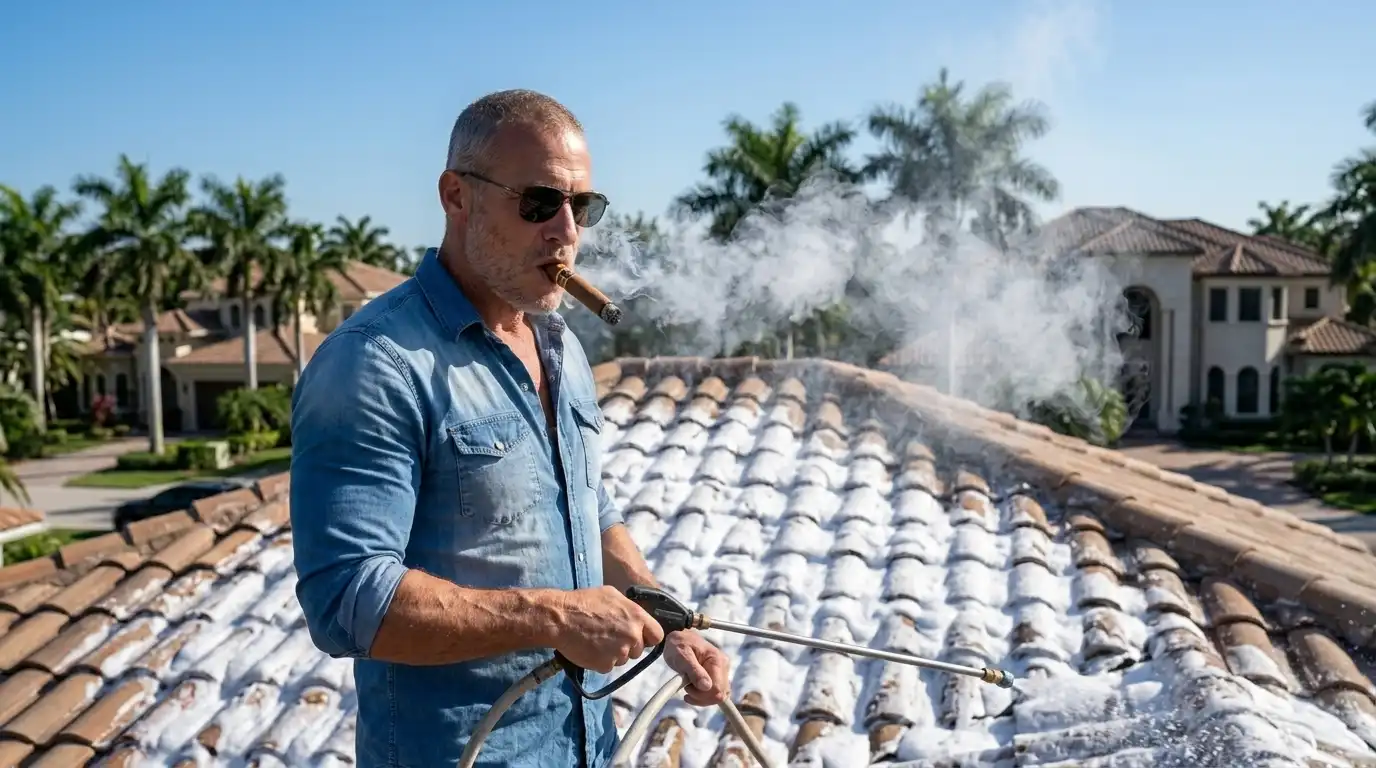
Soft washing is a low pressure application of cleaning solution to kill algae, mold, mildew, and those black streaks that show up fast here. The solution does the work, not pressure.

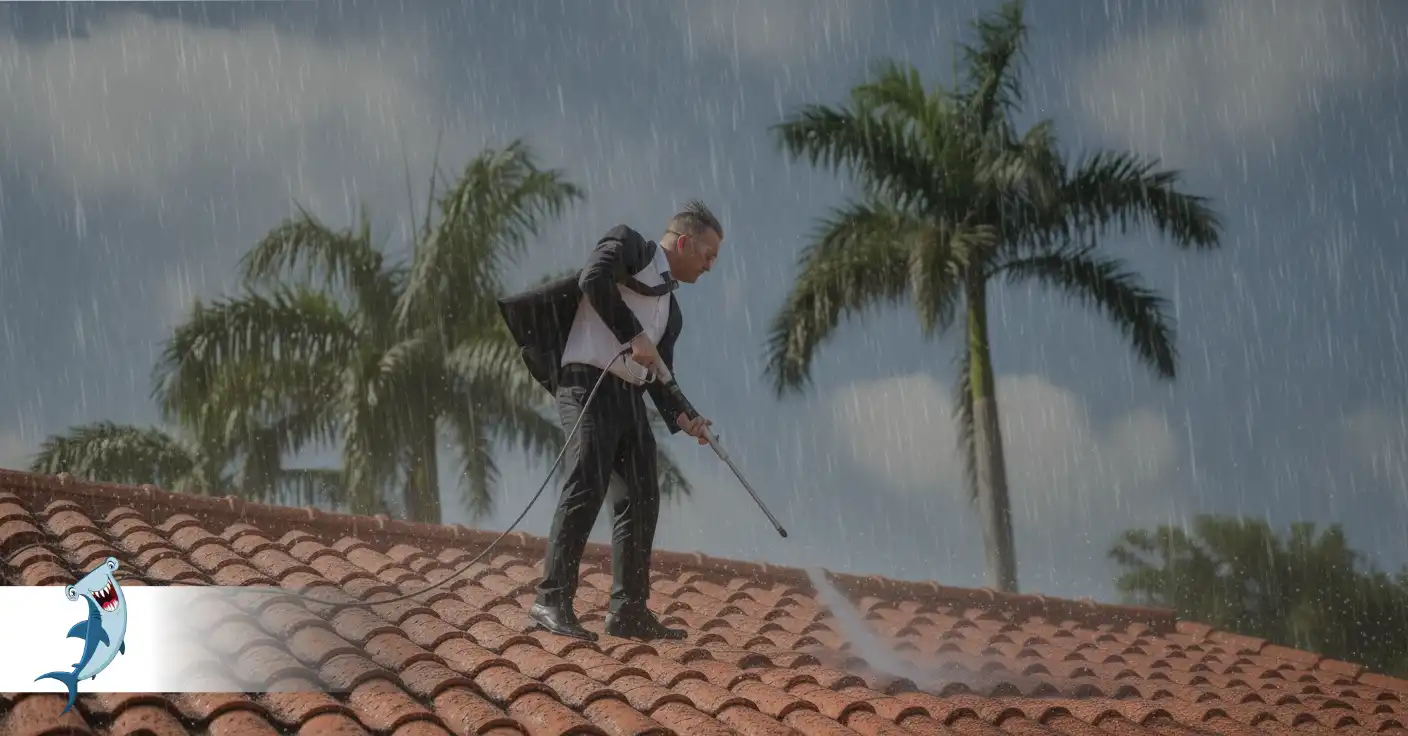
Pressure washing a roof is where people get into trouble, both for the roof surface and for everything below it. It can damage shingles, strip granules, force water under tiles, and it tends to blast overspray onto plants like a misting cannon. Not great.

So when you’re asking, “will roof washing kill my landscaping?” what you’re really asking is:

Will the cleaning mix and runoff hurt my plants?

Sometimes, yes. But it shouldn’t, if it’s done correctly.

What actually harms plants during roof cleaning

Most plant damage comes down to chemistry, contact time, and concentration.

1. Strong bleach mix hitting leaves and drying there

Many roof cleaning solutions use sodium hypochlorite (bleach) as the active ingredient. It’s effective. It’s also harsh if it sits on foliage.

A small amount, diluted quickly with water, usually won’t do much. But a stronger mix, or repeated runoff, or letting it dry on leaves in the sun. That’s when you see leaf burn.

2. Not pre wetting plants

Dry leaves absorb. Wet leaves repel and dilute. This one step is surprisingly important. If plants aren’t thoroughly soaked first, they are more likely to get damaged from any drift or runoff.

3. No rinse after

Even if you pre wet, you still want a rinse afterwards. A lot of “my plants died” stories are really “my plants got coated and nobody rinsed them and then the sun finished the job.”

4. Runoff pooling at the base of shrubs

Some plants can tolerate a brief exposure. But if runoff collects in a bed, especially around roots, that’s where problems happen. Concentrated solution dripping down one valley of the roof can basically water one spot with chemistry for 15 to 30 minutes.

5. Hot weather, full sun, and windy days

Heat speeds up drying. Wind increases overspray and drift. The same roof wash that would be fine on a calm morning can be risky at 2 pm with a breeze.

Florida math.

Tropical landscaping bed near a home exterior

Which plants are most at risk?

Not all landscaping reacts the same way. In Naples and surrounding areas, these tend to be more sensitive:

  • Freshly planted shrubs and new sod (they haven’t established yet)
  • Hibiscus, crotons, and other thin leaf ornamentals
  • Flowers and annuals in beds (petunias, impatiens, etc.)
  • Certain palms when the crown or fronds catch overspray
  • Vegetable gardens and herbs (they are “plants” and “food” so treat them extra carefully)

More tolerant plants still deserve protection, but you’ll notice damage faster on the delicate stuff.

What plant damage looks like (and what it doesn’t)

This matters because some people panic when they see temporary drooping.

Common signs of chemical stress:

  • Browning or whitening on leaf edges
  • Spots that look like sunburn
  • Leaves curling inward
  • Sudden leaf drop within 24 to 72 hours

What might be temporary:

  • Mild wilting right after cleaning (could be heat, could be the plant getting drenched, could be temporary stress)
  • A few scorched leaves on the outer edge only

If you see damage, rinse again, water the root zone deeply, and avoid fertilizing for a bit. Fertilizing a stressed plant sometimes makes it worse.

How to prevent landscaping damage (homeowner checklist)

If you’re hiring a company, you still want to know what “good” looks like. Here’s what you can do on your side, and what you should expect from the crew.

1. Walk the property and point out what you care about

Sounds obvious, but do it. Show them the prized stuff.

  • Rare palms
  • Orchids
  • Brand new plants
  • Anything you’d be genuinely upset about

A good tech will adjust the process around it.

2. Water your plants before they arrive (or ask if they do it)

Pre wetting is step one. Ideally, plants and soil are soaked.

  • Wet leaves reduce absorption
  • Wet soil dilutes runoff
  • Hydrated plants are less prone to burn

If the crew does this as part of their process, great. If not, you can do it yourself with a hose for 5 to 10 minutes per bed.

3. Move what you can

Potted plants, hanging baskets, anything portable. Just move them away from drip lines.

If you can’t move them, cover them, which brings us to the next point.

4. Cover delicate plants the right way (not the “cook them” way)

Covering can help, but don’t trap heat.

Use breathable fabric if possible when covering delicate plants. If plastic is used, it should be temporary, and ideally propped so it’s not laying directly on leaves in the sun. Plastic touching foliage + Florida sun can do its own damage, even without roof washing.

And coverings should come off right after the wash and rinse.

5. Ask how they manage downspouts and runoff

This is a big one.

You want runoff controlled and diluted, not pooling. Pros will often:

  • Reroute downspout discharge temporarily
  • Use hoses to continuously dilute sensitive areas
  • Rinse heavily where runoff lands
  • Work in sections to manage flow

If someone shrugs at this question, that’s a sign.

6. Don’t schedule roof washing right after fertilizing

If you fertilized recently, the roots are already in “processing” mode. Add chemical runoff from the roof washing and you might stress them more. Give it a week or two when possible.

7. Keep pets and kids inside

Even “biodegradable” does not mean “drink it” or “roll in it.” It’s important to note that some products marketed as biodegradable still do not meet eco-friendly standards. Therefore, keep pets away from wet plants until everything is rinsed and dry.

Garden hose watering shrubs near a walkway

What a professional roof wash should look like (the process)

This is the part homeowners rarely see, because you’re inside working, and the crew is outside moving fast.

A careful soft wash company in humid Florida conditions should be thinking like this:

  1. Protect and pre wet landscaping before any mix goes on the roof. Not a token spray. A real soak.
  2. Apply solution with controlled flow so it’s not blasting mist everywhere.
  3. Monitor wind direction and adjust.
  4. Rinse plants repeatedly during the job, especially below valleys and downspouts.
  5. Final rinse and flush after the roof is done.

That rinse is not just cosmetic. It’s insurance.

This is exactly why it’s worth hiring a trained team for roof soft washing instead of a “pressure washing guy” who also does roofs on weekends.

If you’re local, Naples Pressure Washing & Roof Cleaning focuses on professional exterior cleaning in Southwest Florida and uses a roof soft wash approach designed to clean the roof while protecting the home and the landscaping below it. If you want to talk through your plants, your roof type, and what’s realistic for your property, you can start here: https://naples-pressure-washing.com/

“Eco friendly” roof cleaning. What it really means

This gets confusing fast because companies throw around words like eco friendly, biodegradable, safe for plants, gentle, non toxic.

Here’s the reality.

  • Roof algae is alive. To remove it properly, something has to kill it.
  • Most effective roof cleaning mixes still rely on chlorine based solutions (often diluted) plus surfactants.
  • “Biodegradable” usually refers to the surfactants, not the entire impact of runoff in concentrated form.

So the best definition of eco friendly in roof washing is not “it’s basically water.”

It’s: controlled application, proper dilution, plant protection, and thorough rinsing.

What to do if you’re worried your plants got hit

Maybe the job already happened, and now you’re watching your hibiscus like it’s a patient in recovery.

Do this, in order:

  1. Rinse foliage with clean water. A gentle shower for a few minutes.
  2. Deep water the soil around affected plants to dilute anything that reached the roots.
  3. Remove damaged leaves only if they’re clearly dead. If you strip too much, you stress the plant more.
  4. Wait a week before you fertilize.
  5. If a plant is severely burned, consider calling a local nursery or landscaper for plant specific advice. Some tropicals bounce back, some don’t.

Quick FAQs

Will roof washing kill my grass?

Usually no, especially if it’s watered and rinsed. Grass is often more resilient than ornamentals, but runoff pooling can still cause yellowing in spots.

Are there any safe alternatives for roof cleaning?

Yes, there are safe detergent soaps that can be used for roof cleaning which are less harmful to plants and the environment.

Is it safer to clean the roof during the rainy season?

Rain helps dilute, but you still don’t want heavy runoff carrying solution into beds. A calm morning with controlled rinsing is often better than relying on afternoon storms.

Can I request no bleach?

You can request it, but understand the tradeoff. Many non chlorine options are less effective on roof algae, or require different dwell time, or cost more. Ask what they recommend for your roof type and what results you should expect.

The real takeaway

Roof washing does not have to destroy landscaping. When people lose plants, it’s usually because someone skipped the boring steps. Pre wet. Rinse. Control runoff. Pay attention to wind. That’s it.

If you’re in Naples, Bonita Springs, or Marco Island and want a roof soft wash that takes your landscaping seriously, you can request a quote from Naples Pressure Washing & Roof Cleaning here: https://naples-pressure-washing.com/

FAQs (Frequently Asked Questions)

What is roof washing and how is it safely done in Southwest Florida?

Roof washing usually refers to cleaning roofs to remove algae, mold, mildew, and black streaks. In Southwest Florida, the safe method is soft washing—a low-pressure application of cleaning solution that uses chemicals rather than pressure to clean. Pressure washing can damage shingles, tiles, and landscaping due to overspray.

Can roof washing harm my landscaping plants?

Roof washing runoff can harm plants if not done correctly. Damage typically comes from strong bleach mixes sitting on leaves, lack of pre-wetting plants, no rinsing after cleaning, runoff pooling at plant bases, and performing the wash in hot, sunny, or windy conditions. However, with proper precautions, plant damage is very preventable.

What causes plant damage during roof cleaning?

Plant damage during roof cleaning mainly results from chemical concentration (especially bleach), contact time with the solution on foliage, failure to pre-wet and rinse plants properly, runoff pooling around roots, and environmental factors like heat and wind that increase drying speed and overspray.

Which types of plants are most sensitive to roof washing runoff?

In Naples and surrounding areas of Florida, the most sensitive plants include freshly planted shrubs and new sod, thin-leaf ornamentals like hibiscus and crotons, flowers and annuals such as petunias and impatiens, certain palms where fronds catch overspray, and vegetable gardens or herbs which require extra care.

How can I recognize if my plants have been damaged by roof washing chemicals?

Signs of chemical stress include browning or whitening on leaf edges, sunburn-like spots, inward curling leaves, and sudden leaf drop within 1 to 3 days. Temporary signs may be mild wilting right after cleaning or a few scorched leaves at the edges. If damage occurs, rinse plants again and water roots deeply.

What steps can homeowners take to protect landscaping during roof washing?

Homeowners should walk the property with the cleaning crew to point out prized or sensitive plants so they can adjust the process accordingly. Pre-wetting plants before cleaning helps dilute chemicals on leaves. After washing, rinsing plants minimizes residue. Avoid roof washing during hot midday sun or windy conditions for best results.